
Protecting Customer Privacy – Insurance for Data Breaches in Restaurants
 admin
In the modern era of digitization, restaurants increasingly rely on technology to streamline operations, enhance customer experiences, and manage data efficiently. However, this increased reliance on digital systems also exposes restaurants to the risk of data breaches, potentially compromising sensitive customer information. As the custodians of personal and financial data, restaurants must prioritize customer privacy and implement robust measures to safeguard this information. One critical aspect of this defense strategy is obtaining insurance coverage specifically tailored to address the fallout of data breaches. Data breaches in restaurants can have severe consequences, ranging from financial losses and reputational damage to legal liabilities. Insurance for data breaches, commonly known as cyber insurance, has emerged as a crucial tool to mitigate these risks. This specialized insurance provides financial protection and support in the aftermath of a data breach, covering expenses associated with breach notification, legal fees, and regulatory compliance. Moreover, it can extend coverage to address the costs of public relations efforts aimed at mitigating reputational damage.
Customer privacy is of paramount importance in the restaurant industry, where patrons entrust establishments with their personal information during reservations, online orders, and loyalty program enrollments. In the event of a data breach, such information can be exposed to malicious actors, leading to identity theft, fraud, and a loss of customer trust. Cyber SOGO San Antonio Insurance acts as a safety net, offering financial assistance to cover the expenses incurred in notifying affected individuals, providing credit monitoring services, and addressing potential legal actions. This not only helps restaurants fulfill their ethical obligation to protect customer privacy but also demonstrates a commitment to transparency and accountability. Insurance for data breaches is not a one-size-fits-all solution; rather, it should be tailored to the specific needs and risks of each restaurant. The coverage may vary based on factors such as the size of the establishment, the volume of customer data processed, and the security measures in place. Collaborating with insurers who specialize in cyber risk allows restaurants to customize policies that align with their unique circumstances, ensuring comprehensive protection against potential threats.
In addition to financial protection, cyber insurance often includes risk management services to help restaurants bolster their cybersecurity defenses. These services may involve regular vulnerability assessments, employee training programs, and incident response planning. By proactively addressing potential weaknesses in their digital infrastructure, restaurants can reduce the likelihood of a data breach, thus enhancing their overall cybersecurity posture. In conclusion, safeguarding customer privacy is an ethical imperative for restaurants, and in an era marked by increasing digitalization, the threat of data breaches looms large. Investing in insurance for data breaches is a proactive and responsible measure that not only provides financial protection but also demonstrates a commitment to customer trust and data security. As the restaurant industry continues to evolve, embracing comprehensive cybersecurity measures, backed by tailored insurance coverage, is essential to navigate the complexities of the digital landscape while upholding the integrity of customer information.



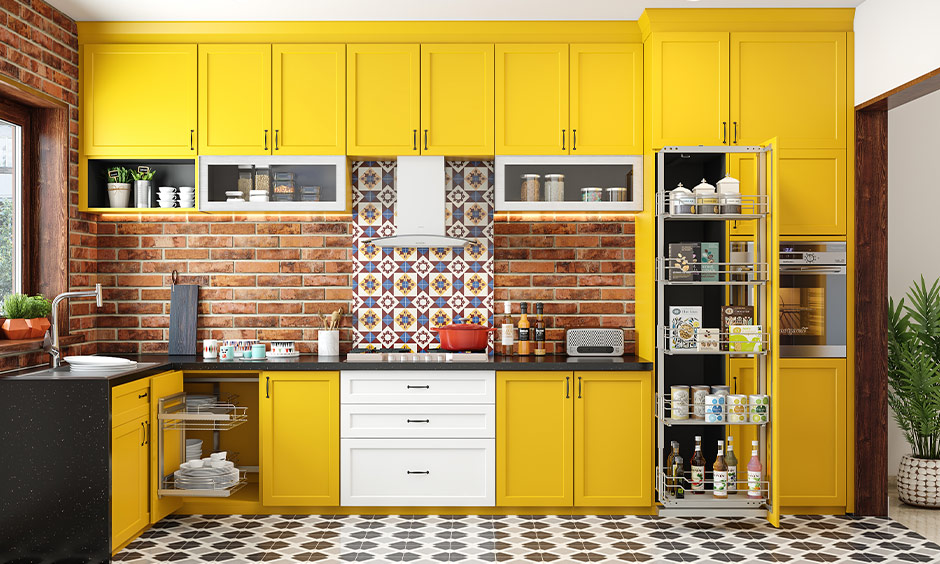 Sustainable remodeling practices often involve the use of recycled or upcycled materials, energy-efficient appliances, and the integration of renewable energy sources like solar panels. As homeowners prioritize reducing their carbon footprint, architects and designers are responding with innovative solutions that marry style and sustainability, transforming homes into environmentally conscious spaces. The trend towards open-concept living spaces continues to dominate contemporary home remodeling projects. Homeowners are opting for designs that promote fluidity between different areas, breaking down traditional barriers between kitchens, dining rooms, and living spaces. This emphasis on open layouts not only fosters a sense of connectivity within the home but also maximizes natural light, creating an airy and spacious ambiance. This design approach reflects a modern lifestyle that values versatility and social interaction, with multifunctional spaces catering to various activities and family dynamics. In the realm of aesthetics, a departure from uniformity has become a defining characteristic of cutting-edge home remodeling. Homeowners are increasingly gravitating towards personalized designs that reflect their individual tastes and lifestyles. This shift is evident in the use of diverse materials, textures, and color palettes that add depth and character to spaces. From reclaimed wood accent walls to bold statement lighting fixtures, the emphasis is on creating unique and visually striking interiors that stand out from the cookie-cutter designs of the past.