

Accurate proximity sensor testing plays a crucial role in modern automation environments by ensuring that control systems operate with high precision, stability, and reliability. When sensors are tested thoroughly under real operating conditions, they deliver consistent detection performance across varying distances, materials, and environmental factors. This reduces the chances of false triggering, improves signal integrity, and strengthens trust in automated processes. In advanced industrial systems, dependable sensor validation is essential for maintaining uninterrupted workflows, reducing downtime, and supporting safe machine interaction. As automation continues to evolve, accurate testing of proximity sensors becomes a key factor in achieving operational excellence and ensuring predictable system behavior across diverse applications. Additionally, precise testing helps standardize quality assurance practices, ensuring that every sensor meets defined operational thresholds before deployment in critical systems. This contributes to long-term reliability and builds greater confidence among system operators and engineers working in automated environments.
Importance of Precise Sensor Validation
Precise validation of proximity sensors ensures that control systems receive accurate input signals essential for seamless automation. Understanding proximity sensor test supports accurate monitoring systems. This process helps identify misalignment, signal distortion, electrical noise, or environmental interference that could affect performance. By verifying sensor response accuracy at different operational ranges, engineers can enhance system robustness and reduce unexpected errors. As a result, industries can maintain smooth operations, improve decision-making reliability, and ensure consistent performance across complex automated workflows.
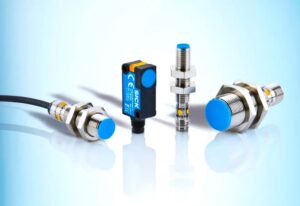
Key Benefits of Accurate Testing
- Improved detection accuracy in dynamic and variable environments
- Reduced system failures and unexpected operational disruptions
- Enhanced stability in automated closed loop control systems
- Faster troubleshooting, calibration, and maintenance response cycles
Operational Impact in Industrial Systems
Accurate proximity sensor testing significantly improves industrial system performance by ensuring timely, precise, and repeatable signal detection across varying operational conditions. It enables smoother machine coordination, supports synchronized automation processes, and reduces unexpected stoppages that can affect productivity. With improved detection reliability, control systems can respond faster to environmental changes and operational demands. This leads to better workflow management, optimized energy usage, and increased production efficiency. Dependable sensor validation also strengthens predictive maintenance strategies, allowing organizations to identify potential issues before they escalate into major failures. Furthermore, continuous monitoring of sensor performance during operation allows early detection of drift or degradation, ensuring timely recalibration and sustained accuracy throughout the system lifecycle. This proactive approach significantly enhances system resilience and operational continuity in complex industrial environments.
Conclusion
Accurate proximity sensor testing builds strong confidence in control system performance by ensuring reliable detection, minimizing faults, and enhancing overall automation efficiency across demanding industrial environments. It strengthens operational predictability, reduces maintenance costs, and supports continuous system optimization. With consistent validation practices, organizations can achieve higher levels of productivity, improved safety assurance, and long-term stability in automated operations. This ultimately enables smarter decision-making and reinforces trust in advanced control system technologies. It also encourages innovation in automation design by providing reliable feedback loops that engineers can use to refine system performance and efficiency over time. Such improvements ensure long-term adaptability in rapidly evolving industrial technologies across diverse applications globally used.